C-VoUCHER
Grant agreement ID: 777773
Start date
1 April 2018
End date
30 June 2021
Circularize ValUe CHains across European Regional Innovation Strategies
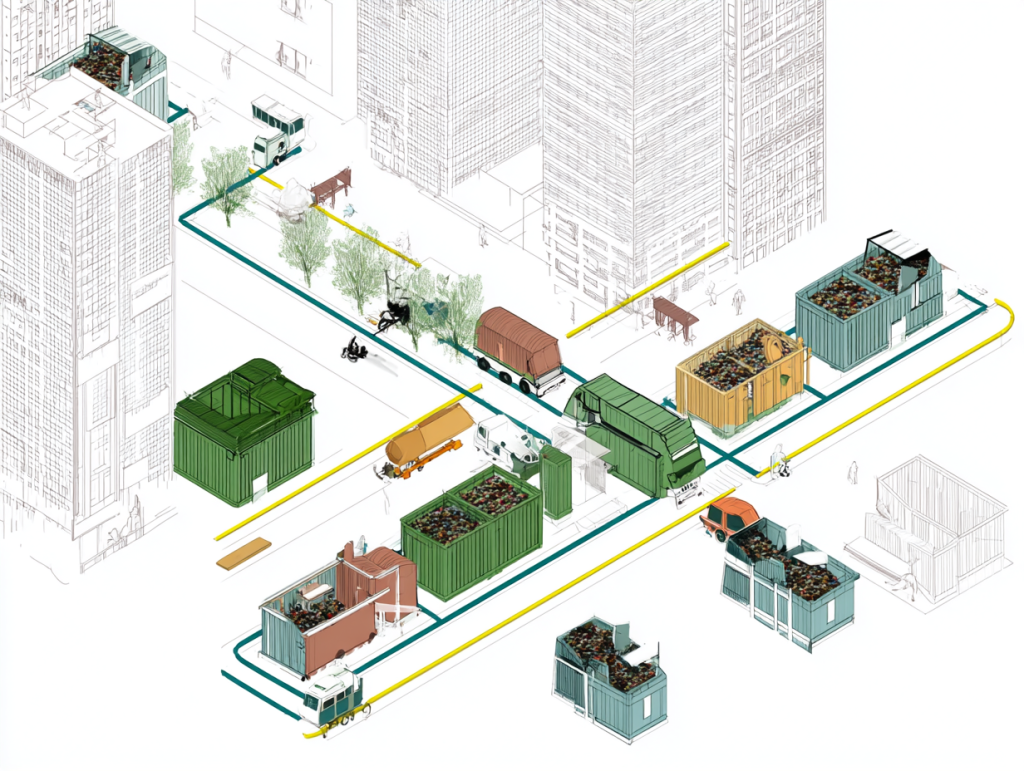
C-VoUCHER aims to develop new circular (cradle to cradle) value chains, disrupting traditional linear (cradle to waste) business models by means of cross-fertilization with Design Thinking experts and Circular Disruptors.
This approach is empowered by 6 Regional entities (2 leading ones from SE and DK and 4 learning ones from ES, FR, PL and RO), which together with their 41 clusters representing 5,763 SMEs (linked as 3rd Parties, including 11 gold, 4 silver and 7 bronze label ones) will work, at cross-border level, on embedding circular economy (CE) model in their Smart Specialization Strategies.
CEWASTE
Grant agreement ID: 820859
EC signature date3 October 2018
Start date1 November 2018
End date30 April 2021
Voluntary certification scheme for waste treatment
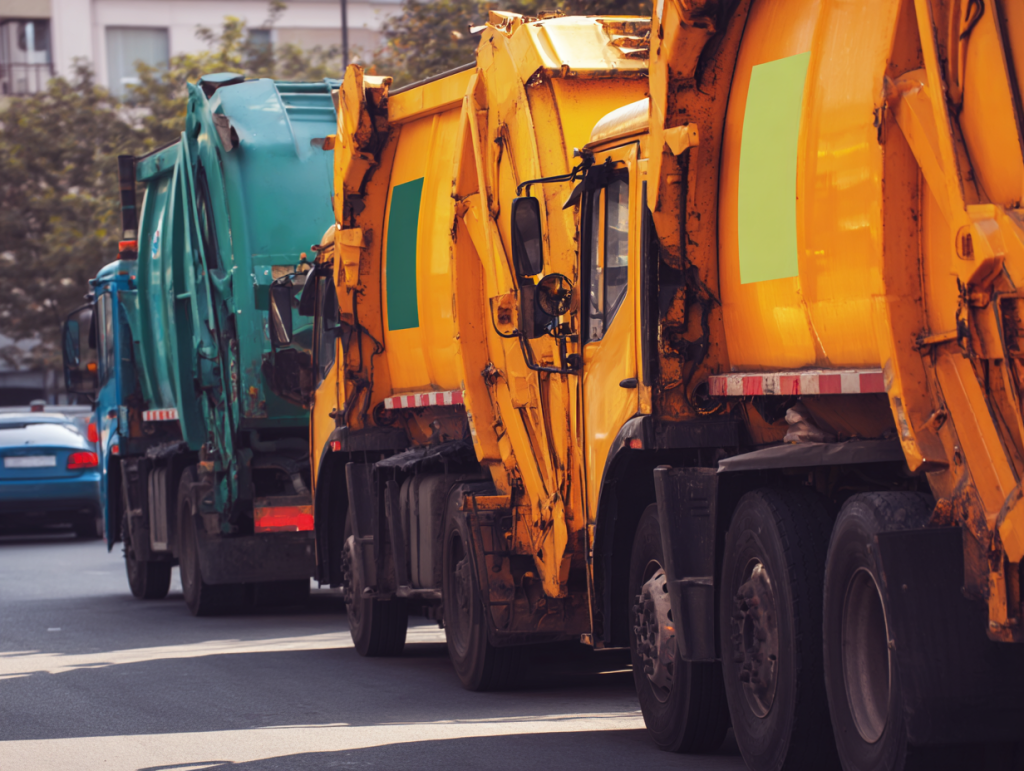
Critical raw materials (CRMs) are important for the European economy. Thus, reliable and unobstructed recovery of CRMs represents a growing concern within the EU and worldwide. The EU-funded CEWASTE project has facilitated the recovery of CRMs from basic types of waste through traceable and sustainable treatment processes within the supply chain of secondary raw materials. The project has developed, validated and launched a voluntary certification scheme for the collection, transport, and treatment facilities of key types of waste containing considerable amounts of valuable and critical raw materials. CEWASTE has understood existing recovery practices, standards and verification schemes and developed sustainability and traceability requirements, an assurance system and related verification procedures.
CICERONE
Grant agreement ID: 820707
EC signature date11 October 2018
Start date1 November 2018
End date31 March 2021
CIrCular Economy platfoRm for eurOpeaN priorities strategic agEnda
The EU-funded CICERONE project will create a platform for efficient circular economy programming driven by programme owners. The project will involve research and technology organisations and other stakeholders, including civil society, industry, innovative SMEs, start-ups, cities, investors and networks, considering the national and regional diversity. It will carry out consultation mechanisms to ensure stakeholders’ active involvement and perform an initial benchmarking exercise to understand the most recent stage of technological development, map stakeholders, current research, development and innovation priorities, funding, and legal mechanisms. CICERONE will also develop a prioritisation methodology to analyse the current performance, indicating synergies, gaps and duplications, formulating improvements and best practices for policy recommendations.
CIRCULAR IMPACTS
Grant agreement ID: 730316
EC signature date7 September 2016
Start date1 October 2016
End date30 September 2018
Measuring the IMPACTS of the transition to the CIRCULAR economy
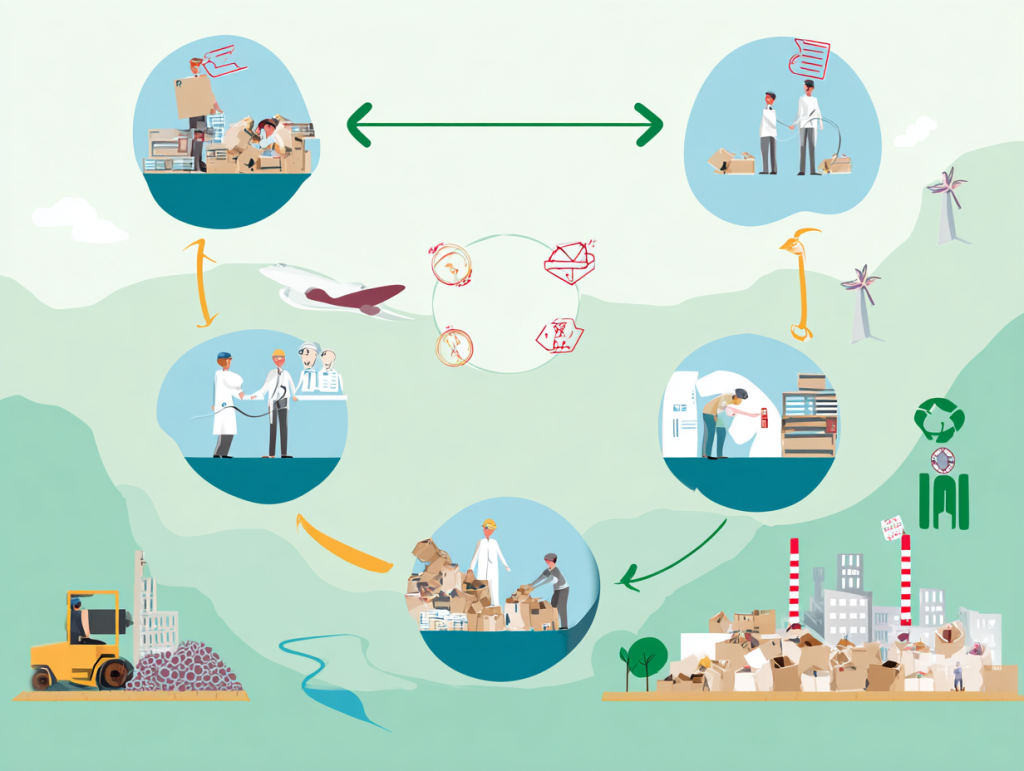
CIRCULAR IMPACTS aims to provide European policy makers with the knowledge to guide and foster the transition to a more circular economy by developing an overarching impact assessment of that transition and at the same time make the evidence base available for policy makers to develop impact assessment for their own specific policy proposals. As the circular economy is an ambition with a very wide and not precisely defined application area,
CLEARING HOUSE
Grant agreement ID: 821242
EC signature date3 May 2019
Start date1 September 2019
End date29 February 2024
CLEARING HOUSE – Collaborative Learning in Research, Information-sharing and Governance on How Urban tree-based solutions support Sino-European urban futures
Trees bring shade, mitigate temperature, rainfall and wind, and provide food and fodder for animals. Planting trees in cities is key to resilient cities but many areas lack adequate green infrastructure. The EU-funded CLEARING HOUSE project, with partners from China and Europe, will investigate the role of urban forests as nature-based solutions (UF-NBS), which refers to all measures a city can take to address urban sustainable development challenges by planting and managing trees. It will provide evidence and tools to achieve the full potential of UF-NBS. Its aim is to assist city planners, business and civil society in implementing UF-NBS.
CIRCULAR FLOORING
Grant agreement ID: 821366
EC signature date 6 May 2019
Start date1 June 2019
End date31 August 2024
Eco-friendly recycling of PVC floor coverings
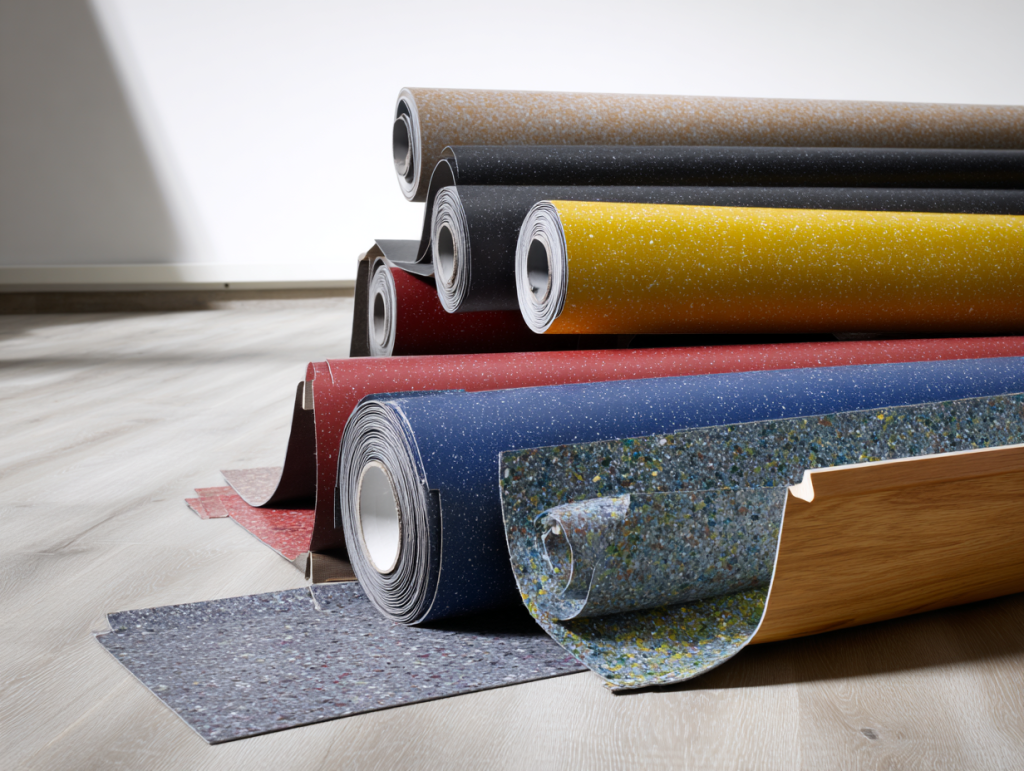
End-of-life flexible PVC floor coverings potentially contain ‘legacy plasticisers’, which can no longer be used due to consumer protection concerns. Recovery of PVC in virgin-like quality through state-of-the-art recycling of such flooring is not possible yet. Instead, these materials are often incinerated and valuable resources are irreversible destroyed. The EU-funded CIRCULAR FLOORING project will meet the challenge of establishing a circular economy for flexible PVC flooring with an innovative plastic recycling process. The objective is to gently recycle end-of-life PVC floor coverings by dissolving such waste in a selective solvent and remove critical substances, e.g. restricted plasticizers (phthalates), to achieve a high-quality, virgin-like PVC material. The removed phthalates will be transformed chemically into non-hazardous plasticizers. Both, the recycled PVC and the transformed plasticizer are going back to the production cycle of new floor covering, pointing towards a circular economy.
CIRCULAR IMPACTS
Grant agreement ID: 730316
EC signature date7 September 2016
Start date1 October 2016
End date30 September 2018
Measuring the IMPACTS of the transition to the CIRCULAR economy
CIRCULAR IMPACTS aims to provide European policy makers with the knowledge to guide and foster the transition to a more circular economy by developing an overarching impact assessment of that transition and at the same time make the evidence base available for policy makers to develop impact assessment for their own specific policy proposals. As the circular economy is an ambition with a very wide and not precisely defined application area.
CityLoops
Grant agreement ID: 821033
EC signature date3 May 2019
Start date1 October 2019
End date30 September 2023
Closing the loop for urban material flows
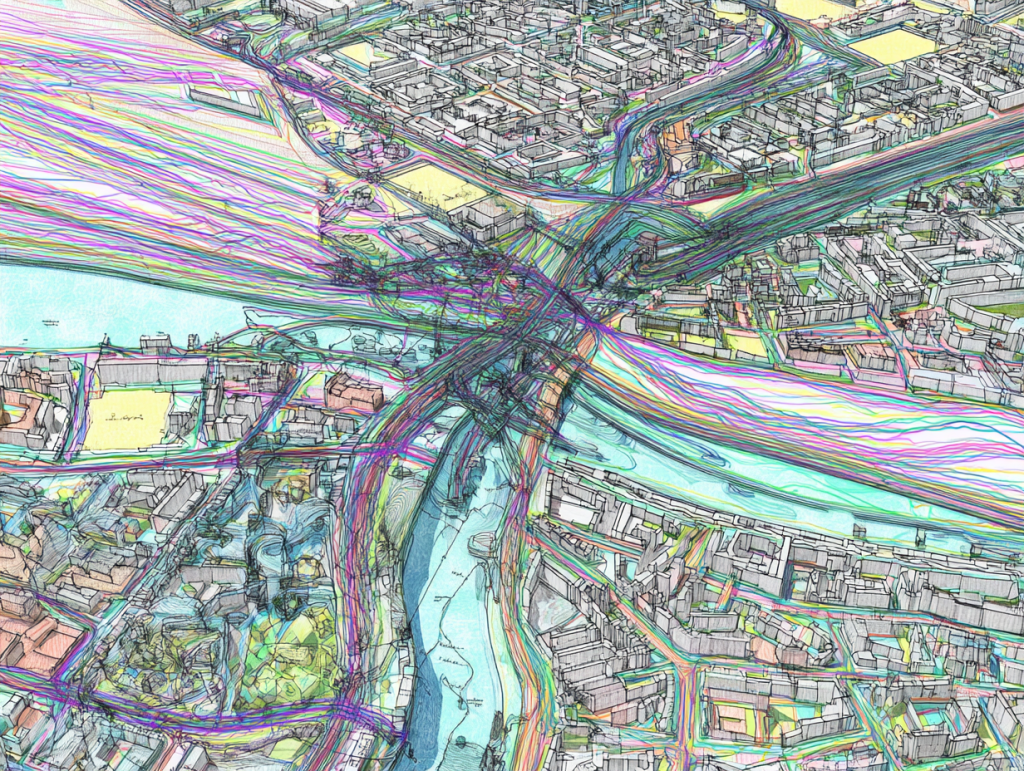
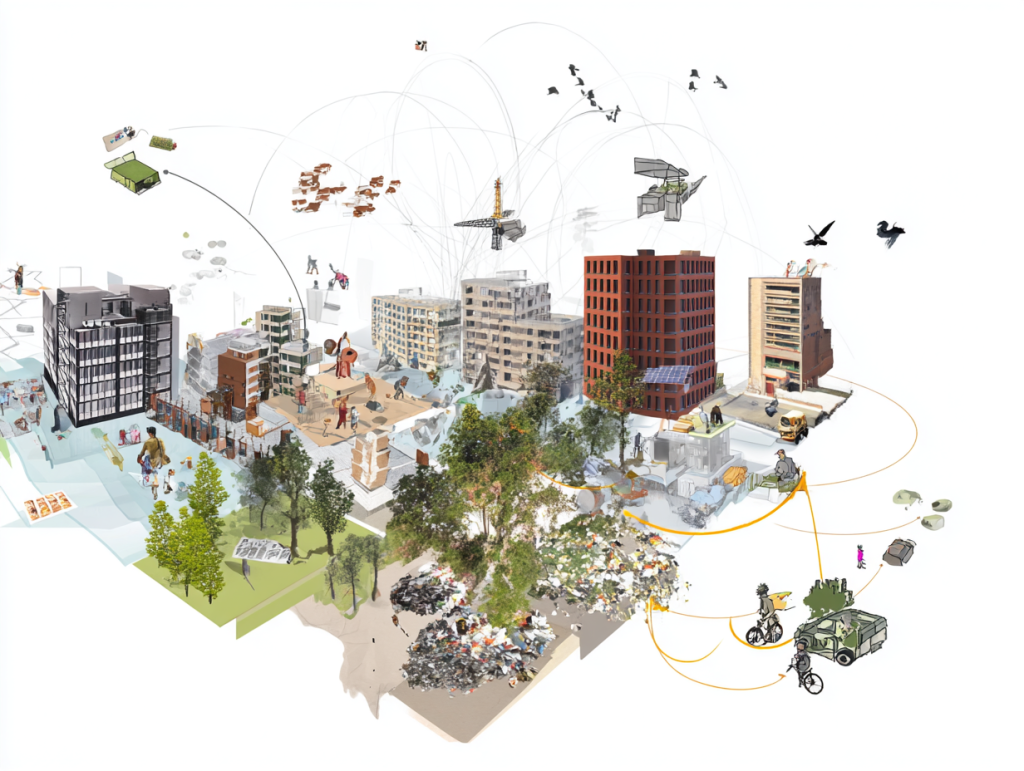
Construction and demolition waste (CDW) – including soil – and organic waste (OW) are two of the most significant urban material flows with a remarkable environmental impact in European cities. The EU-funded CityLoops project will develop a circular city scan methodology and indicators by adapting material flow analysis (MFA) and urban metabolism methods to drive the transition to a circular economy. Seven small- to medium-sized cities in Denmark, Finland, the Netherlands, Norway, Portugal and Spain will test a number of innovative tools and processes to support circular planning and decisions making related to CDW and OW. The project will prepare scale-up plans in each of the demonstration cities, while collaborative learning networks will be established at the regional level.
CLIC
Grant agreement ID: 776758
EC signature date31 October 2017
Start date1 December 2017
End date31 August 2021
CLIC – Circular models Leveraging Investments in Cultural heritage adaptive reuse
While the number of recognised cultural heritage sites continues to rise, the financial resources needed for their functional restoration are becoming increasingly scarce. The decay of cultural heritage due to a lack of financial support has become an alarming issue. Private actors, driven by short-term gains, further complicate the situation. Consequently, the risk of heritage decay looms larger with each passing year. In this context, the EU-funded CLIC project aims to create flexible, transparent, and inclusive tools that manage the transformation of cultural landscapes. By harnessing the potential of cultural heritage, CLIC seeks to bridge the investment gap in regeneration efforts. It will identify and share innovative ‘circular’ financing, business, and governance models.
Urban_Wins
Grant agreement ID: 690047
EC signature date3 May 2016
Start date1 June 2016
End date31 May 2019
Urban metabolism accounts for building Waste management Innovative Networks and Strategies
The scope of the project is to develop and test methods for designing and implementing innovative and sustainable Strategic Plans for Waste Prevention and Management in various urban contexts that will enhance urban environmental resilience and guarantee progress towards more sustainable production and consumption patterns together with improvements waste recovery and recovered materials use. Urban_Wins will define a data set, based on material flow indicators, capable of supporting and orienting decision making processes for urban waste prevention and management. Knowledge of the factors that influence the metabolism of cities will be improved together with the understanding of how those factors can be transformed in positive drivers of technological, non-technological and governance changes.
WOOL2LOOP
Grant agreement ID: 821000
EC signature date3 May 2019
Start date1 June 2019
End date30 November 20221
Mineral wool waste back to loop with advanced sorting, pre-treatment, and alkali activation
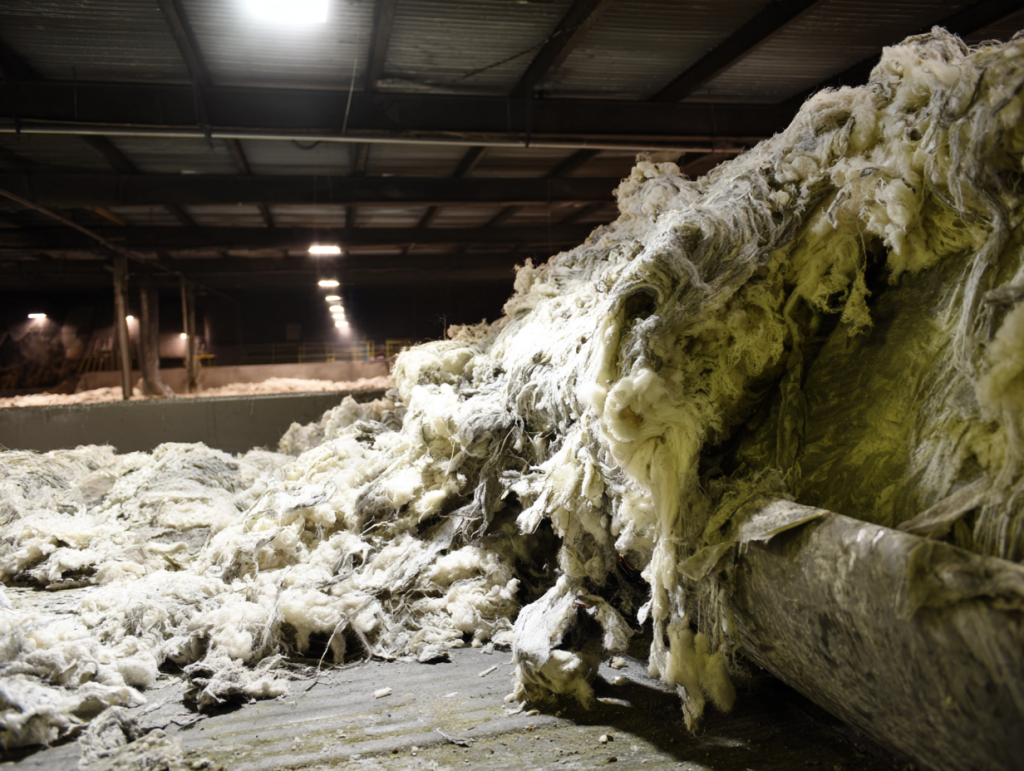
Mineral wool (stone wool and glass wool) is a non-metallic inorganic fibrous product formed by spinning or drawing molten stone or silica and binding it with resins and oils. Despite being the most widely used form of insulation in the EU, it is generally not recycled at a building’s end-of-life. As the construction and demolition sectors move towards a more circular economy, revalorising mineral wool is an important step. The EU-funded WOOL2LOOP project is developing technologies to achieve that, including on-site in situ analyses and smart demolition, improved pre-treatment for smaller particles and novel processing methods, leading to new cement based building material products such as concrete, pavement slabs, building facade elements and acoustic panels.
Pop-Machina
Grant agreement ID: 821479
EC signature date3 May 2019
Start date1 June 2019
End date30 November 2023
Collaborative production for the circular economy; a community approach
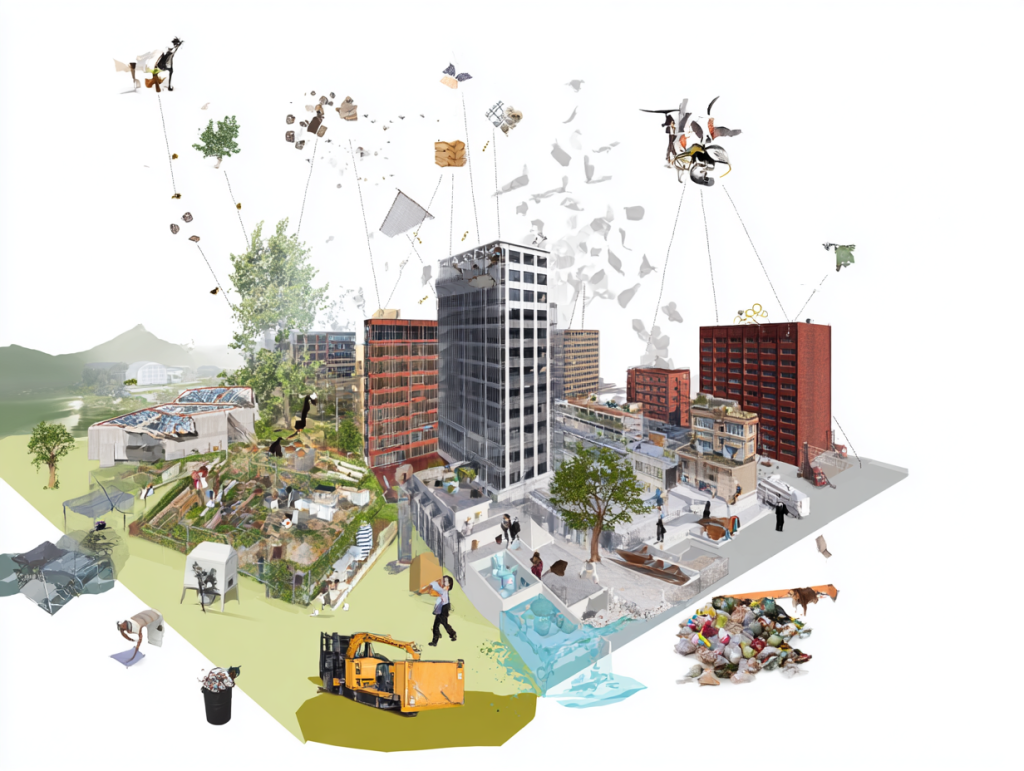
Promoting a more circular production paradigm, engaging communities, and promoting urban and community development can be achieved through collaborative production in cities. The EU-funded Pop-Machina project will create a network of existing and new communities in urban areas, and use cutting-edge technologies (factory-of-the-future, blockchain) to engage urban planning, boost social dialogue, recognise local needs in training and skills development. Successful case studies will be learned from to develop a framework for implementing circular collaborative production in urban areas. This framework will be tested in living labs in seven cities: Leuven (Belgium), Thessaloniki and Piraeus (Greece), Kaunas (Lithuania), Venlo (The Netherlands), Santander (Spain), and Istanbul (Turkey).
WoodCircus
Grant agreement ID: 820892
EC signature date25 October 2018
Start date1 November 2018
End date31 December 2021
Underpinning the vital role of the forest-based sector in the Circular Bio-Economy
Many challenges must be overcome for Europe to achieve a circular economy in the wood industry. Construction accounts for the majority of wasted resources, and only a small portion of unused wood is recycled. National policies, practices and technology regarding wood recycling vary greatly. The EU-funded WoodCircus project aims to raise awareness and facilitate circular processes in the wood processing sector. The project will research, assess and validate transferable practices in process efficiency, wood waste collection, management and recycling, which will be identified and disseminated via a database of good practices. Overall, the project produces decision support information for market actors, stakeholders and policymakers, and contributes to environmental, economic and societal sustainability while increasing the competitiveness of European woodworking industries.
ERA-MIN 2
Grant agreement ID: 730238
EC signature date28 October 2016
Start date1 December 2016
End date30 November 2022
Implement a European-wide coordination of research and innovation programs on raw materials to strengthen the industry competitiveness and the shift to a circular economy
Building on the experience of ERA-MIN FP7 funded project, the objective of the ERA-NET Cofund on Raw Materials (ERA-MIN 2) is to strengthen the coordination of national and regional research programmes in the field of non-energy non-agricultural raw materials by implementing one joint call for proposals resulting in grants to third parties with EU co-funding.
In line with the integrated strategy proposed in the EU Raw Materials Initiative and the Strategic Implementation Plan of the European Innovation Partnership on Raw Materials, the ERA-MIN 2 Call topics will address the three segments of the non‐energy non-agricultural raw materials: metallic, industrial and construction minerals and will cover the whole value chain: exploration, extraction, processing/refining, as well as recycling and substitution of critical raw materials.
COLLECTORS
Grant agreement ID: 776745
EC signature date30 October 2017
Start date1 December 2017
End date31 December 2020
Waste COLLECTiOn systems assessed and good pRacticeS identified
UNaLab will develop, via co-creation with stakeholders and implementation of ‘living lab’ demonstration areas, a robust evidence base and European framework of innovative, replicable, and locally-attuned nature-based solutions to enhance the climate and water resilience of cities. UNaLab focuses on urban ecological water management, accompanied with greening measures and innovative and inclusive urban design. The UNaLab partners aim to develop smarter, more inclusive, more resilient and more sustainable local societies through nature based innovation jointly created with and for stakeholders and citizens.
URBAN GreenUP
Grant agreement ID: 730426
EC signature date5 May 2017
Start date1 June 2017
End date31 May 2023
New Strategy for Re-Naturing Cities through Nature-Based Solutions
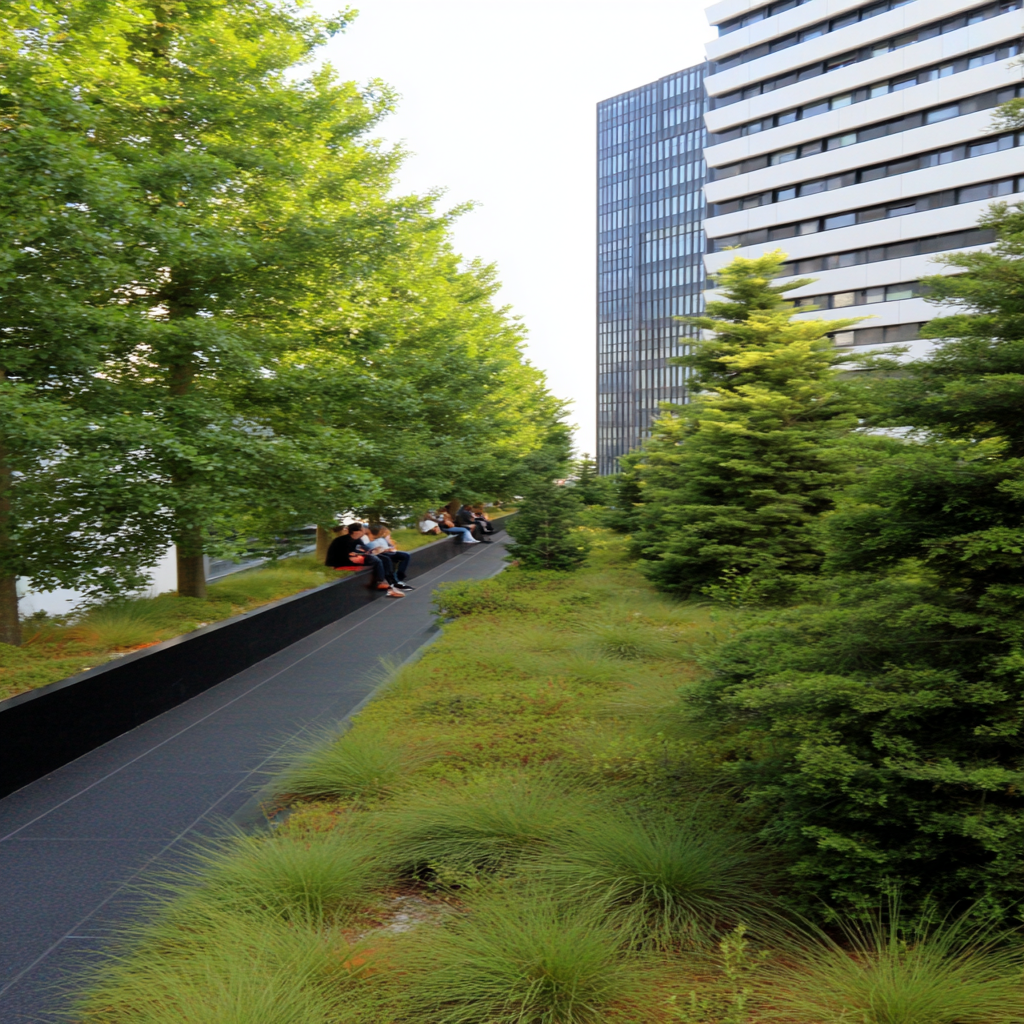
Urban GreenUP aims at obtaining a tailored methodology (1) to support the co-development of Renaturing Urban Plans focused on climate change mitigation and adaptation and efficient water management, and (2) to assist in the implementation of NBS in an effective way. NBS classification and parametrization will be addressed and some resources to support decision making will be established as part of the project activities.