Blue Economy Project
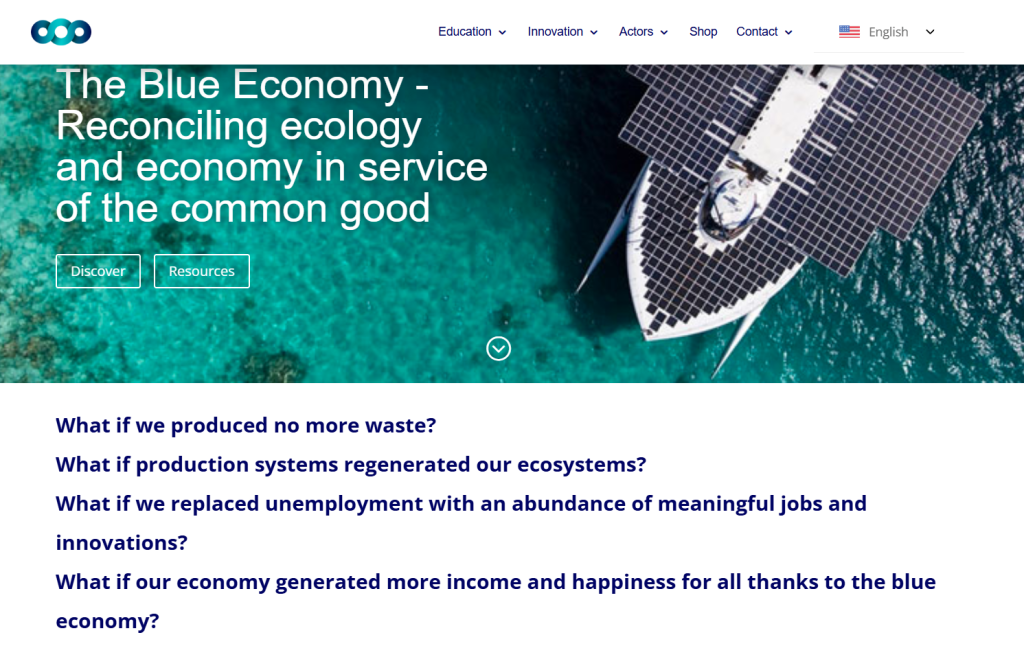
The Blue Economy Project, pioneered by Gunter Pauli and the ZERI Foundation, advocates for a sustainable economic model inspired by natural ecosystems. Crystallized in Pauli’s 2010 work, it focuses on using locally available resources to generate multiple ecological and financial benefits. This innovative approach aims to eliminate waste by transforming it into valuable inputs for other processes, fostering a regenerative and highly efficient global economy.
B-All
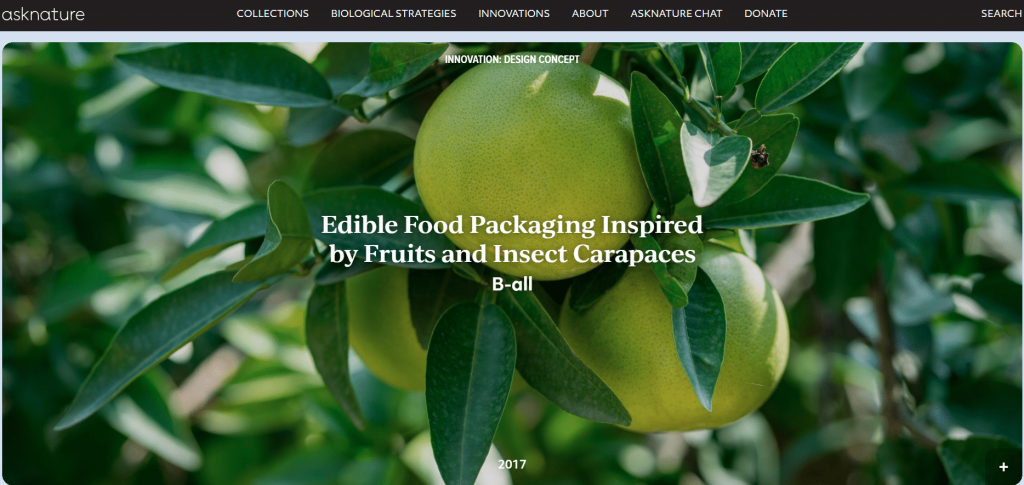
B-All represents a leap forward in sustainable materials with its advanced, biomimetic edible food packaging solutions. Inspired by nature’s own protective layers, such as fruit skins and insect carapaces, technologies like LEAFF (Layered, Ecological, Advanced, Multi-Functional) are utilized. These innovative, edible alternatives aim to drastically reduce single-use plastic waste while keeping food fresh, offering a truly zero-waste approach to the future of packaging.
ECOSTP
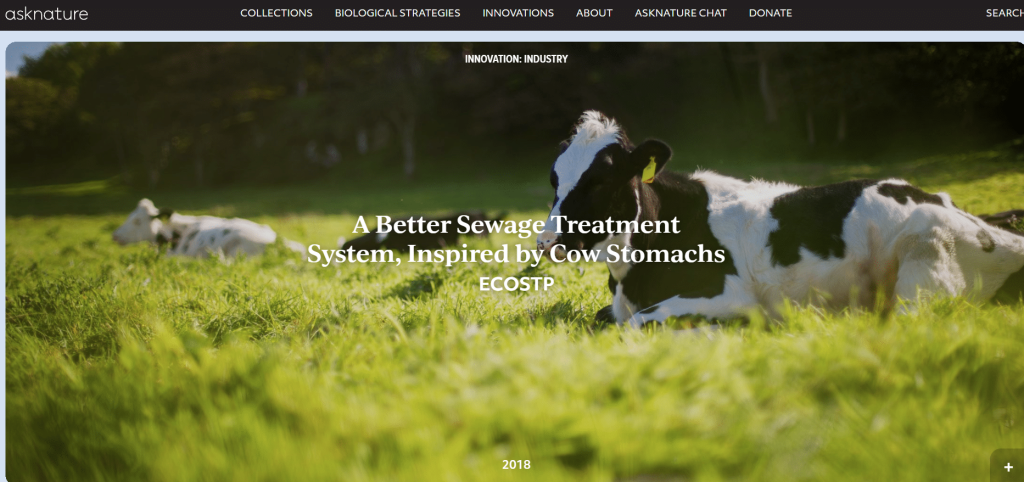
Developed by ECOSTP Technologies, this innovative system offers a biomimicry-based approach to sewage treatment. Ingeniously inspired by the complex digestive processes found within a cow’s stomach, the ECOSTP technology treats wastewater without requiring external power or chemicals. This decentralized, zero-power ecological solution effectively transforms sewage into clean water, offering a highly sustainable, cost-effective, and environmentally friendly alternative to traditional municipal waste management facilities.
GenRail
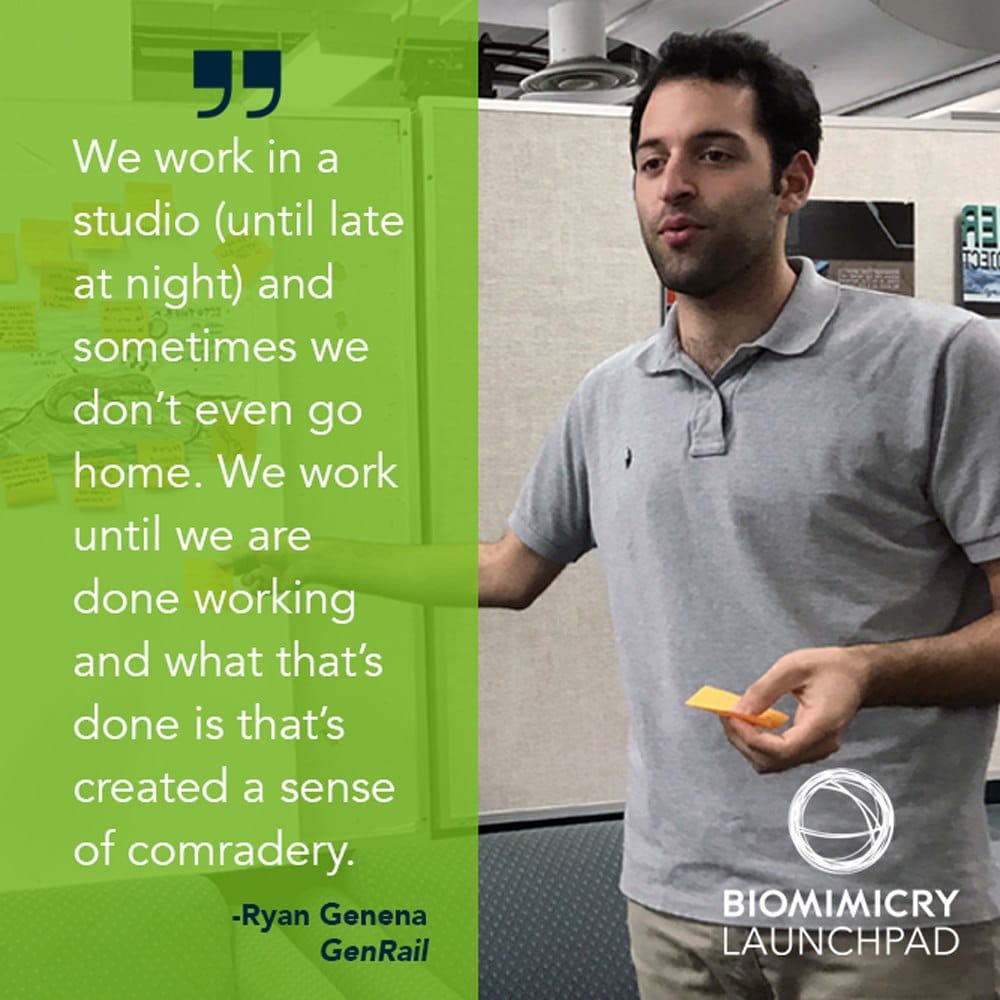
GenRail is an innovative, biomimicry-inspired energy harvesting system recognized by the Biomimicry Institute. Designed to capture the wind energy generated by passing trains, this brilliant technology harnesses the artificial drafts created in subway tunnels or along railway tracks. By converting this otherwise wasted kinetic energy into usable electricity, GenRail provides a sustainable and highly efficient power generation solution perfectly integrated into existing urban transit infrastructures.
NexLoop (2016)
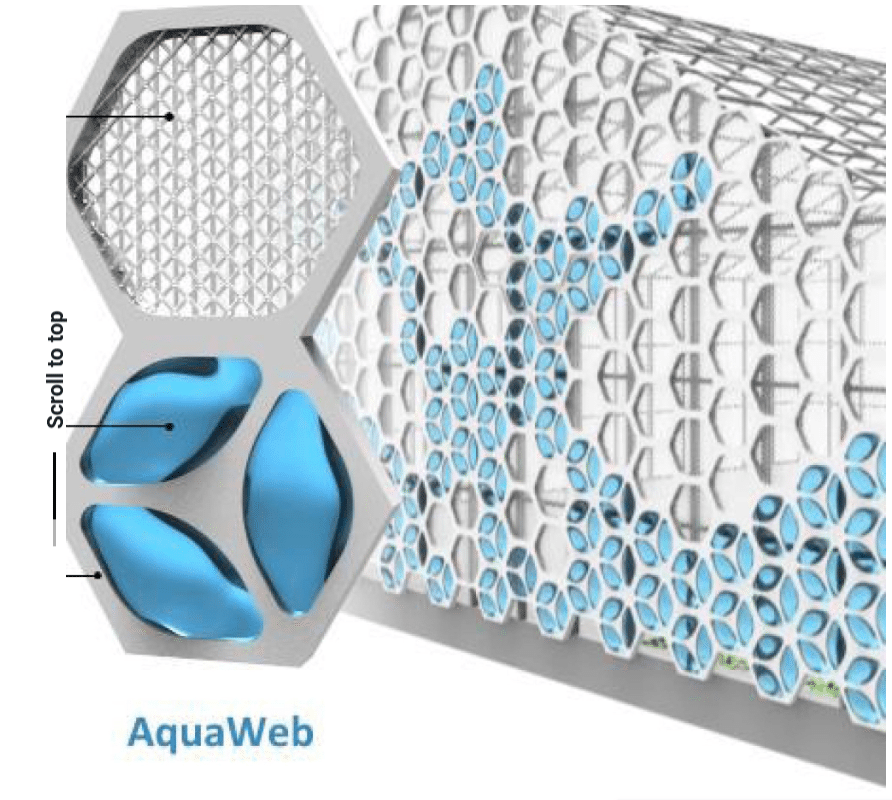
NexLoop is a recognized, biomimicry-inspired water harvesting concept that cleverly captures moisture directly from the atmosphere. Drawing inspiration from the complex webs of spiders and the efficient moisture-gathering techniques of desert beetles, its Aqua-Web design captures and stores rain, fog, and dew. This innovative system aims to provide a sustainable, decentralized water source for urban agriculture, seamlessly integrating localized food production with natural water cycles.
The Venus Project
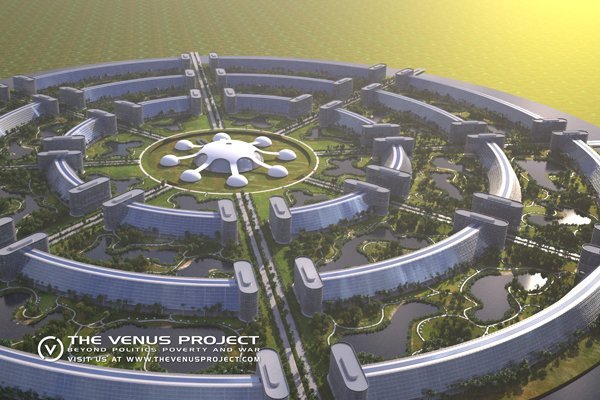
Pioneered by Jacque Fresco, The Venus Project proposes a comprehensive, radical redesign of human settlements. Showcasing an innovative “Circular City” concept, it envisions a resource-based economy where technology and automation are utilized to provide abundance for all, eliminating money and debt. This futuristic vision advocates for sustainable cities seamlessly integrated with their surrounding environments, focusing on renewable energy, scientific management, and global resource optimization.
Algae Bioplastic Façade Panels
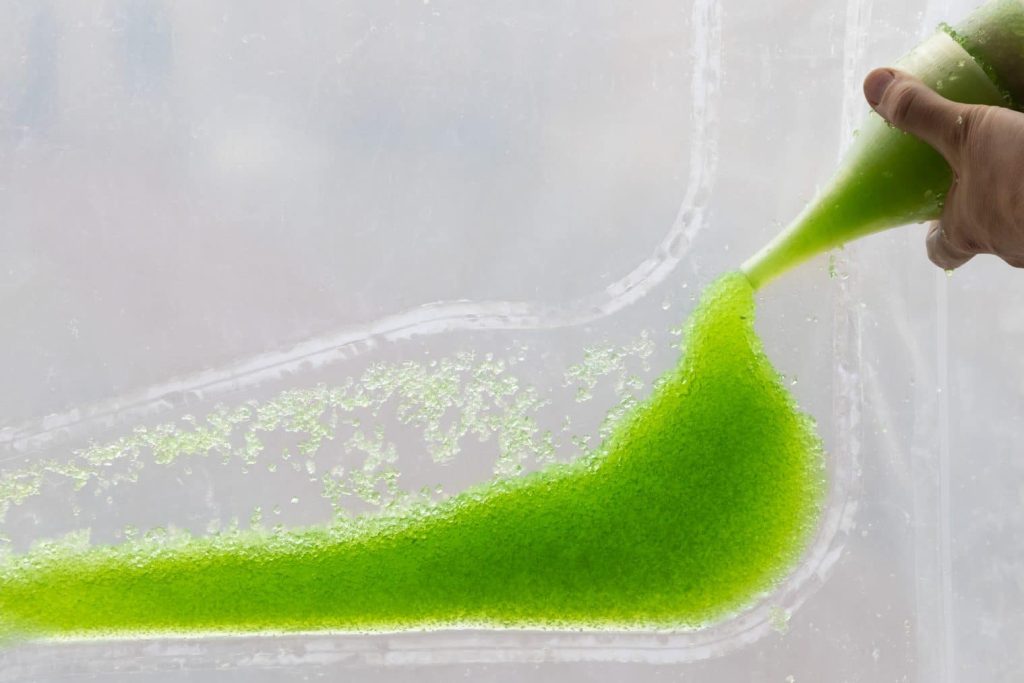
Showcased in Dublin in November 2018, these Algae Bioplastic Façade Panels demonstrate how architecture can actively interact with nature. This innovative project highlights the integration of biological systems into building exteriors. By utilizing algae-based bioplastics, the panels not only offer a sustainable alternative to traditional building materials but also sequester carbon and generate energy, representing a significant step towards creating intelligent, climate-responsive, and ecologically beneficial urban structures.
Phalanx Insulation
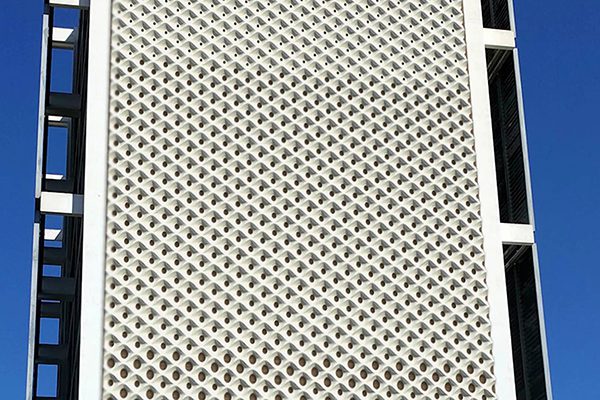
Developed by the CSULB Industrial Design team, Phalanx Insulation is a biomimicry-inspired passive cooling system designed for modern buildings. Drawing inspiration from nature’s highly efficient thermal regulation strategies, this innovative building envelope adapts to environmental changes to regulate internal temperatures without relying on energy-intensive air conditioning. This smart, responsive architectural solution significantly reduces energy consumption and carbon footprints while maintaining optimal indoor comfort for occupants.
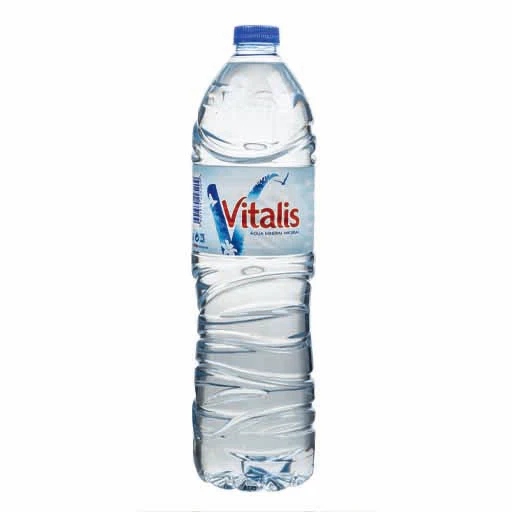
Vitalis PET bottle
The Vitalis PET bottle design utilizes a biomimetic approach to create a stronger, more sustainable packaging solution. By studying the natural structural efficiency of elements like pine trees or skeletons, designers incorporated specific stress lines into the plastic. This innovative structural design significantly increases the bottle’s durability and strength while drastically reducing the amount of raw plastic material required, leading to a much lighter, eco-friendly product.
Carton for Caviar Project
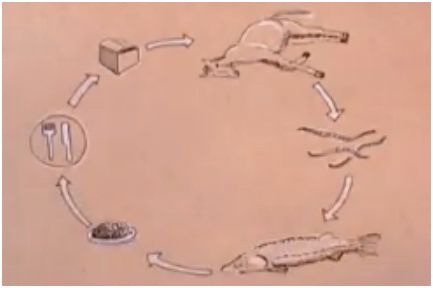
Initiated by Graham Wiles, the “Cardboard to Caviar” project is a brilliant example of a closed-loop circular economy. This initiative ingeniously transforms discarded cardboard boxes into a valuable resource by shredding them to use as horse bedding, which is then composted to farm worms. These worms are fed to sturgeon, which eventually produce high-value caviar, demonstrating how industrial waste can be upcycled into premium, sustainable products.