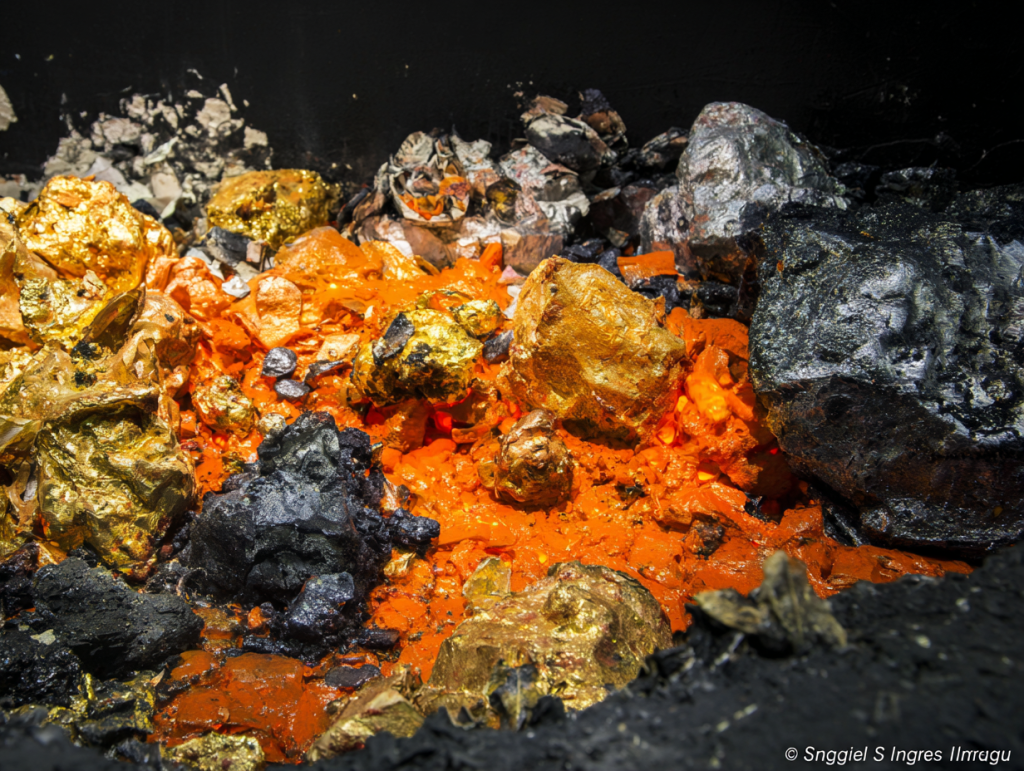
1. PlasmaRock: The “Waste of Wastes”
Concept and Origin: Created through a chemical process called plasma gasification, PlasmaRock represents the transformation of solid waste into gas at extreme temperatures (up to 1500°C). Artist and researcher Inge Sluijs, through her project “The Rebirth of Waste,” views landfills as “mines” or viable economic resources.
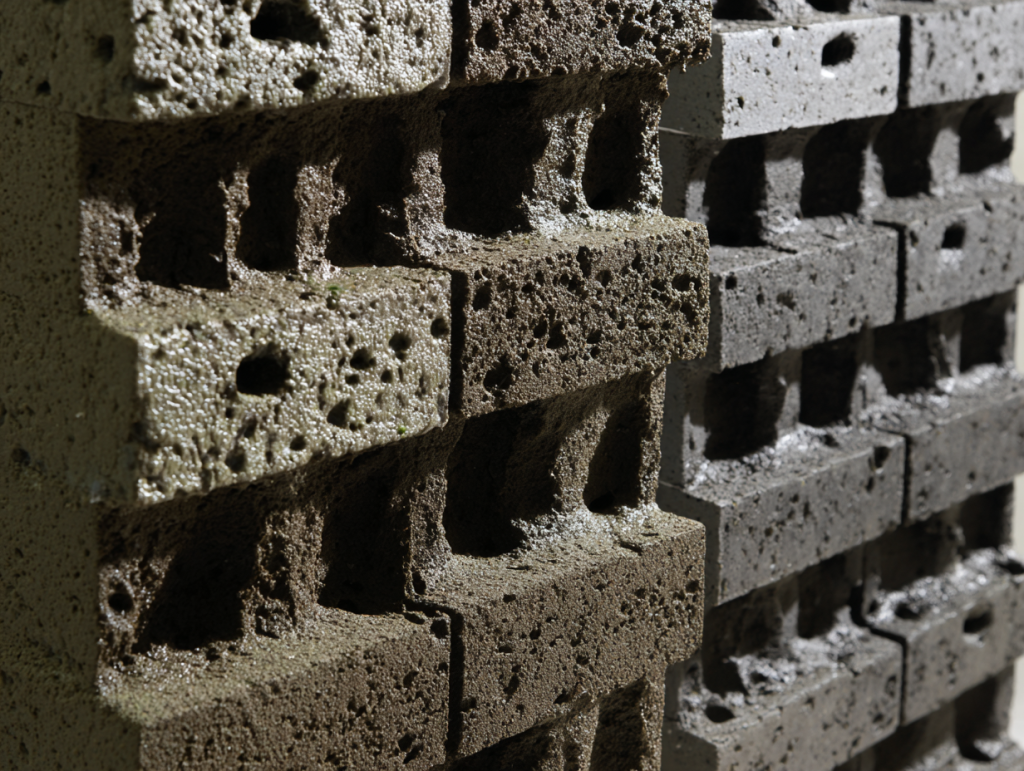
BituBlocks & Blue Planet: Carbon-Negative Concrete
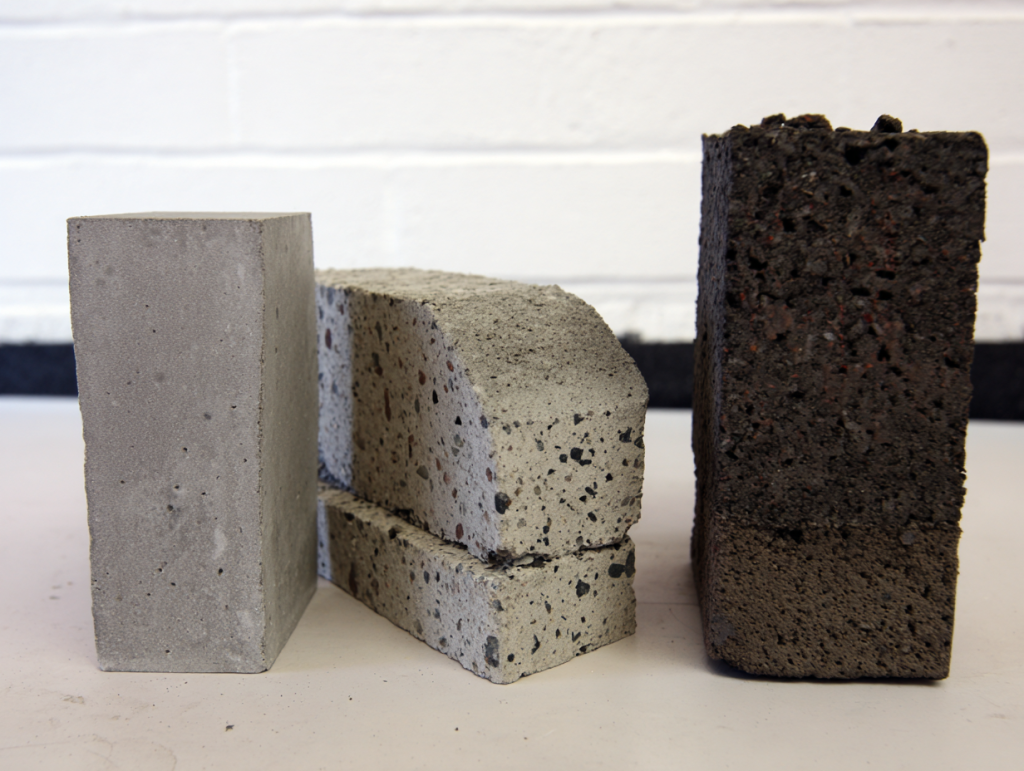
BituBlocks: Developed by John P. Forth at the University of Leeds, England, this material is designed as a sustainable alternative to traditional concrete blocks.
Composition: Made from recycled glass waste, sewage sludge, and incinerator ash.
Performance: It requires significantly less energy to produce than standard concrete and exhibits higher resistance.
EcoCradle (Ecovative): Grown Insulation
The Paradigm Shift: EcoCradle represents a move away from traditional manufacturing toward growing materials. This technology uses agricultural by-products to create compostable and biodegradable packaging and insulation
Earthships: The “Archiculture” Model
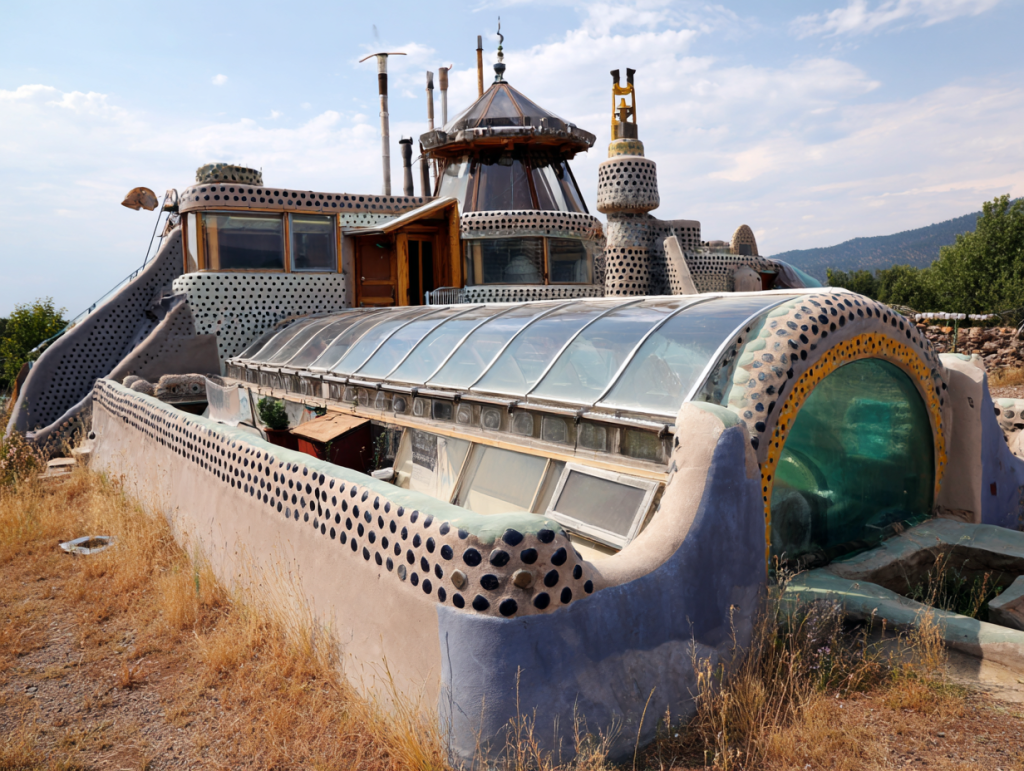
Architectural Autonomy: Developed by Michael Reynolds, Earthships (or “land ships”) are buildings designed to be completely off-grid. They integrate passive systems for water harvesting, sewage treatment, and climate control.
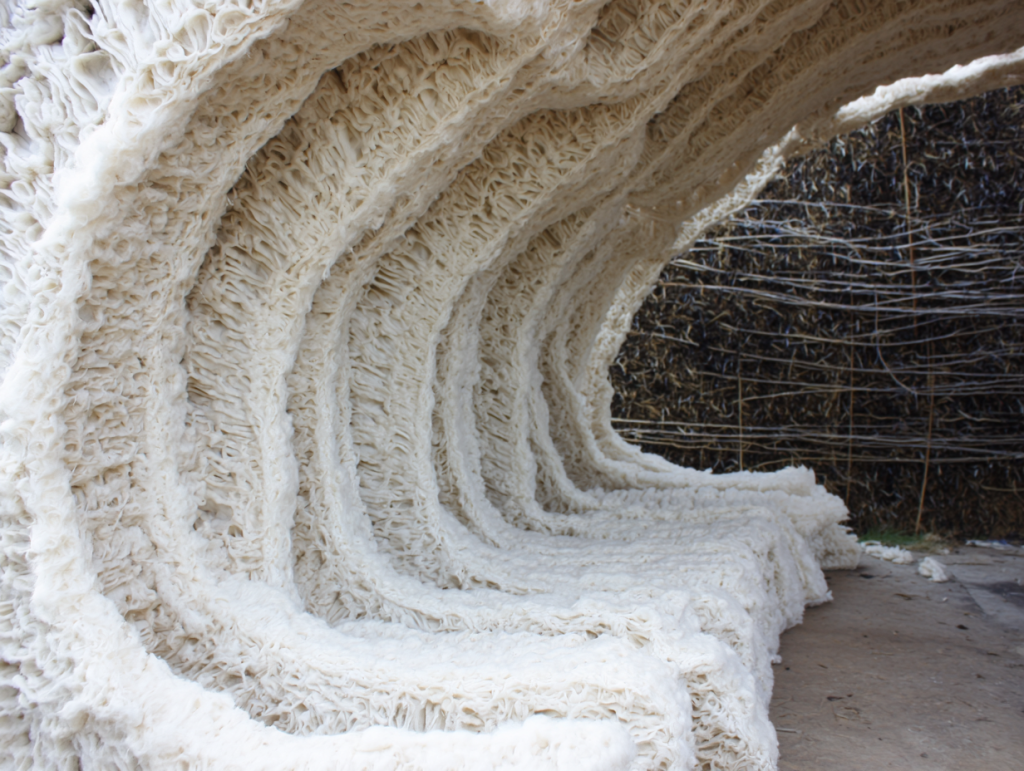
Fungi and Mycelium Walls
The Vision of Paul Stamets: According to world-renowned expert Paul Stamets (Fungi Perfecti), mushroom cultivation is a “significant tool for restoring, replenishing, and remedying Earth’s overburdened ecosphere.” Mycelium—the fibrous root structure of fungi—is viewed not just as a material, but as a healing agent for ecosystems, addressing resource depletion and toxic environmental release.
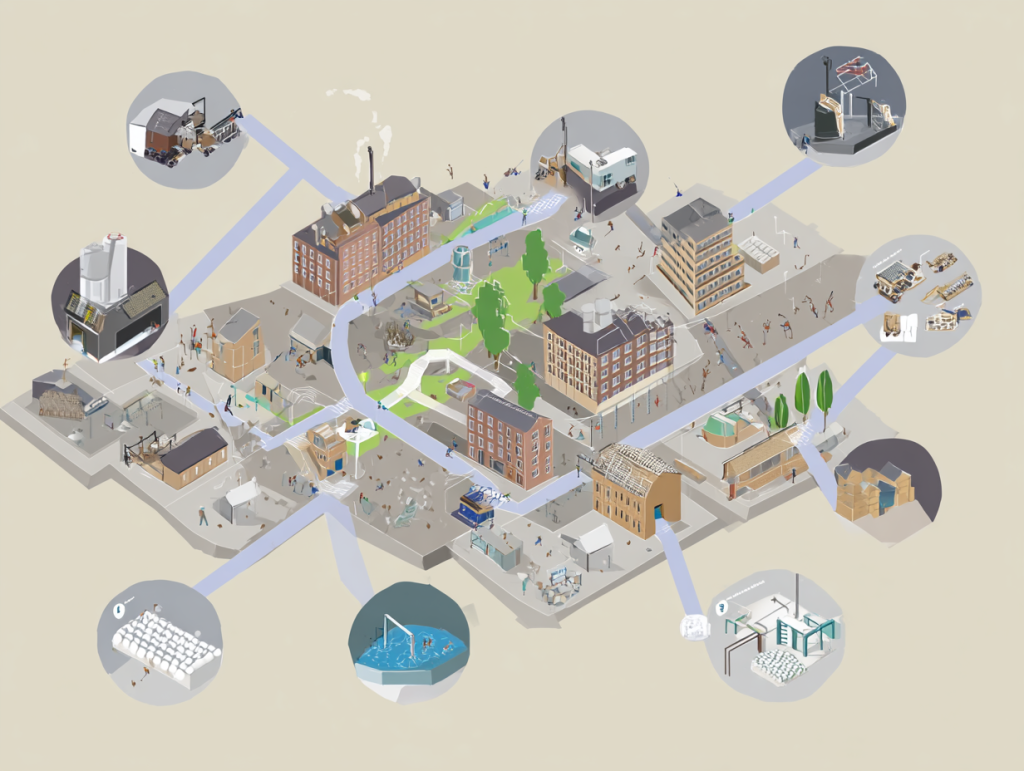
Kalundborg Industrial Symbiosis – Urban-Scale Circularity
The Model of Urban Resilience: The circular scheme of the Danish city, Kalundborg, serves as a global benchmark for industrial ecology. While it appears to be a purely economic model, it deeply integrates local economy with social urban aspects and environmental protection. It represents a shift from traditional industrial production to a state of cohabitation, interdependence, and resilience.