New Esplanade Complex
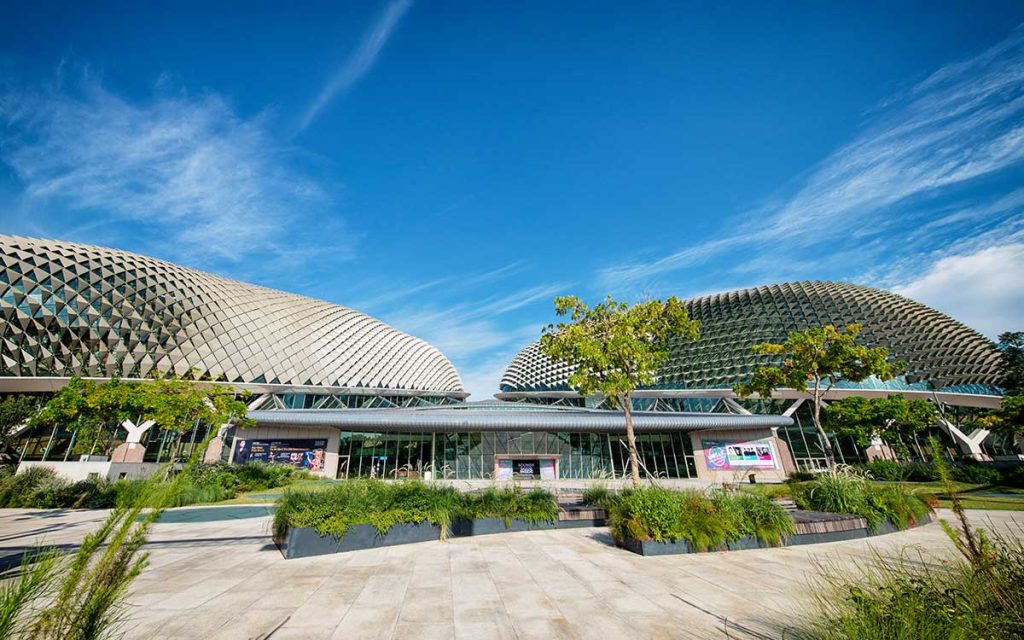
Located in Singapore’s Marina Bay, the New Esplanade Complex is a striking architectural landmark designed by DP Architects. Distinctively recognized by its iconic “durian domes,” this vibrant performing arts center integrates structural innovation with cultural significance. It stands as a premier destination for arts and entertainment, offering world-class facilities while showcasing a unique facade that beautifully responds to the local tropical climate and modern aesthetic.
Lilypad / Floating Ecopolis
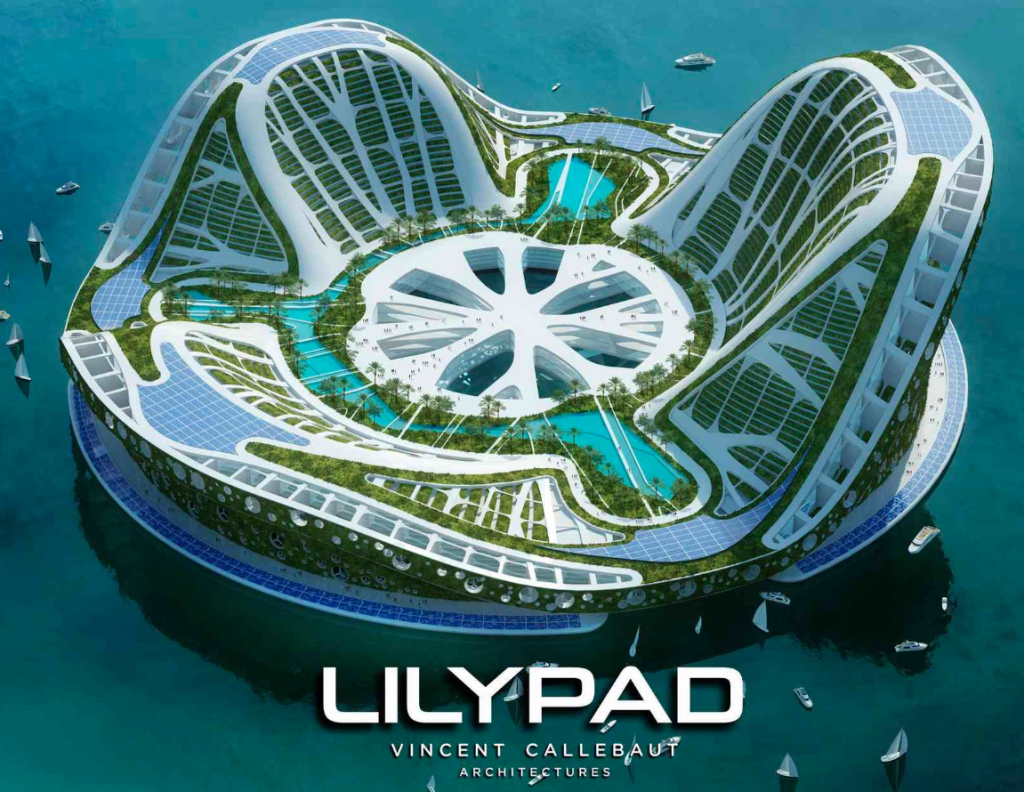
Designed by Vincent Callebaut Architectures, the Lilypad is a visionary floating ecopolis intended to accommodate climate refugees. Modeled after the giant Amazonian lily pad, this self-sufficient aquatic city aims to produce its own energy through renewable sources while absorbing atmospheric carbon dioxide. It represents a bold, futuristic solution to rising sea levels, seamlessly blending marine ecology with advanced sustainable human habitats and cutting-edge biomimetic design.
Nautilus Eco Resort
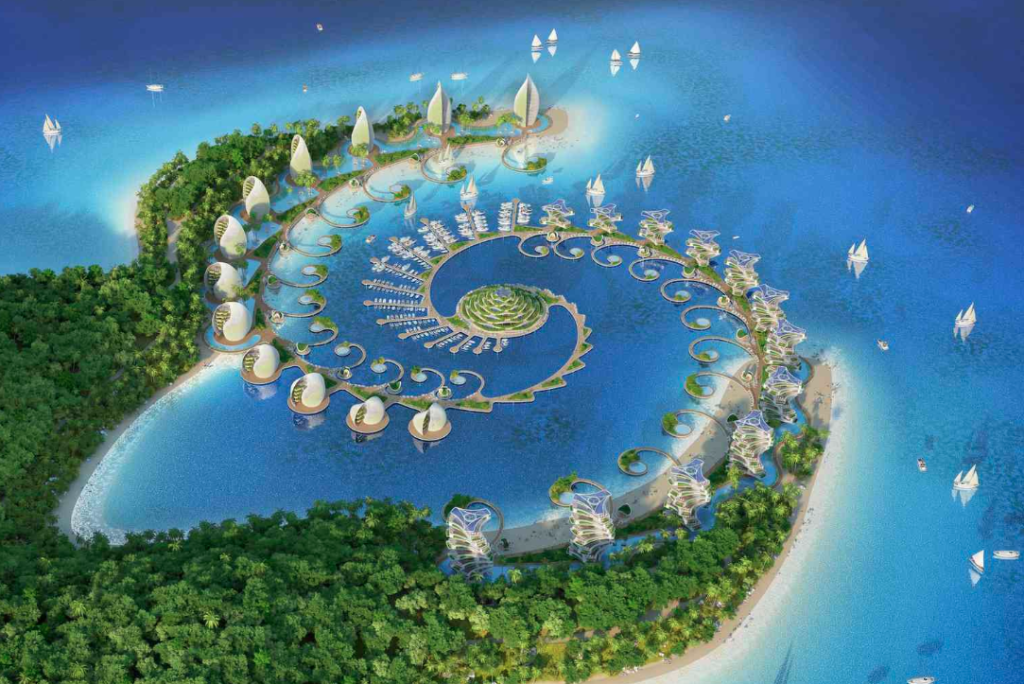
Envisioned by Vincent Callebaut Architectures, the Nautilus Eco Resort features a mesmerizing spiral shell design inspired by natural coastal geometry. This sustainable resort concept focuses on zero-emission hospitality, utilizing renewable energy systems and bioclimatic architecture to minimize its environmental footprint. The sweeping, organic structures aim to harmonize luxury tourism with ecological preservation, creating an immersive, environmentally conscious retreat that actively promotes marine and coastal conservation efforts.
Ecosystemic Recovery
The Ecosystemic Recovery initiative, featuring designs like the Bioclimatic House in Tenerife by Ruiz Larrea y Asociados and vertical farm concepts by Exploration, focuses on regenerative architecture. This ITER project portfolio emphasizes structures that actively restore local environments rather than just minimizing harm. By integrating advanced sustainable technologies and ecosystem-inspired frameworks, these buildings act as living systems that promote agricultural integration, biodiversity, and significant ecological rehabilitation.
The Möbius Project
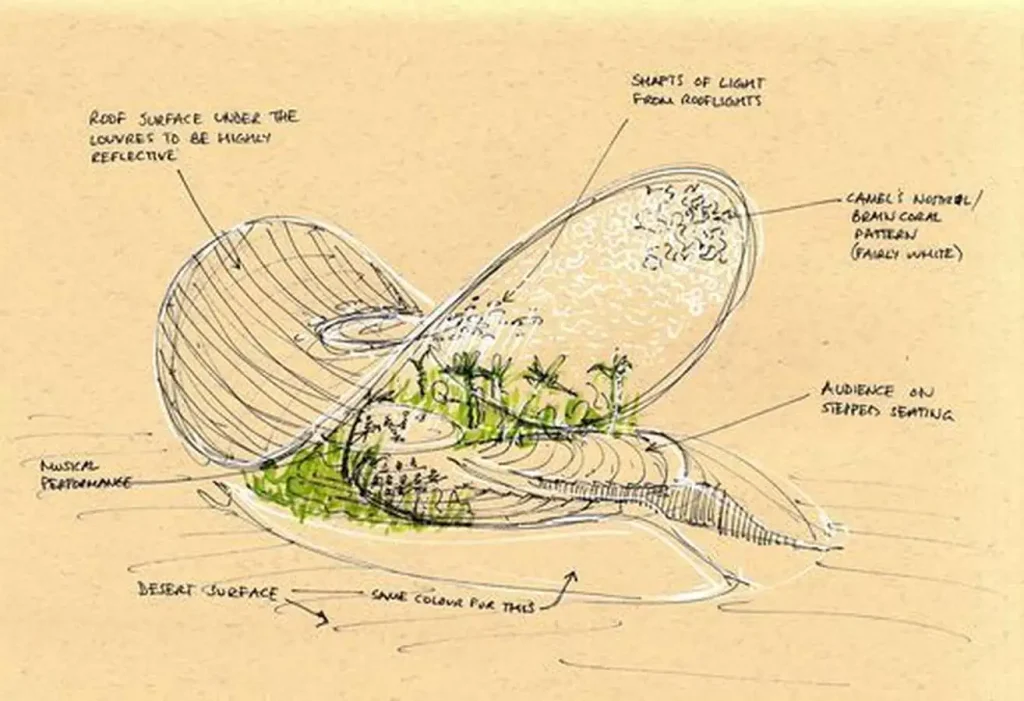
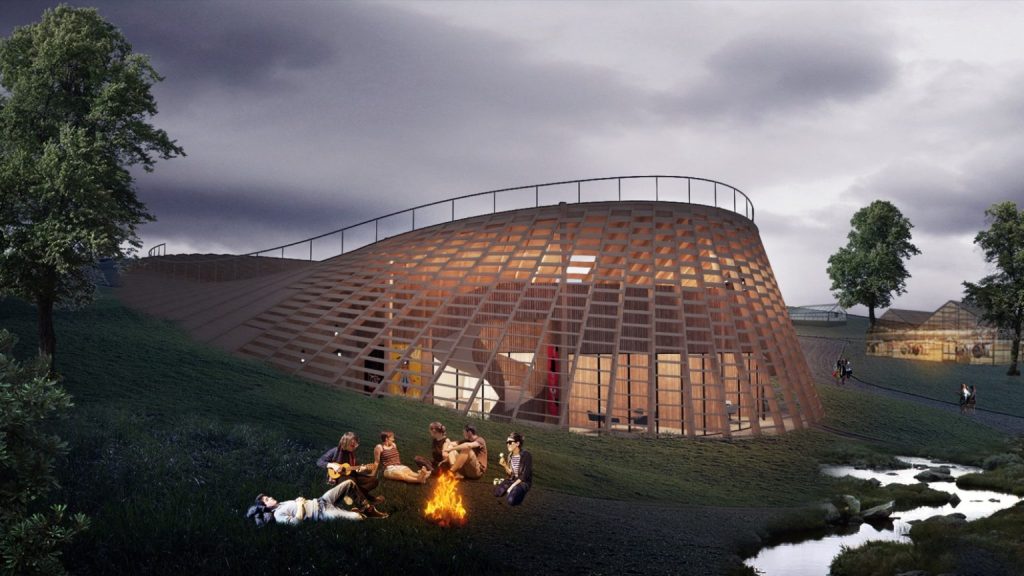
The Möbius Project, visualized by Parametric Architects, is an innovative tower that boldly reinterprets the infinite-loop geometry of a Möbius strip. This continuous structural form creates a dynamic, seamless flow between exterior and interior spaces, promoting integrated sustainable living. The architectural concept challenges traditional building typologies by incorporating closed-loop ecological systems, aiming to merge energy production, waste management, and urban agriculture into one continuous vertical environment.
DrivHAUS Building: Offices in an urban greenhouse
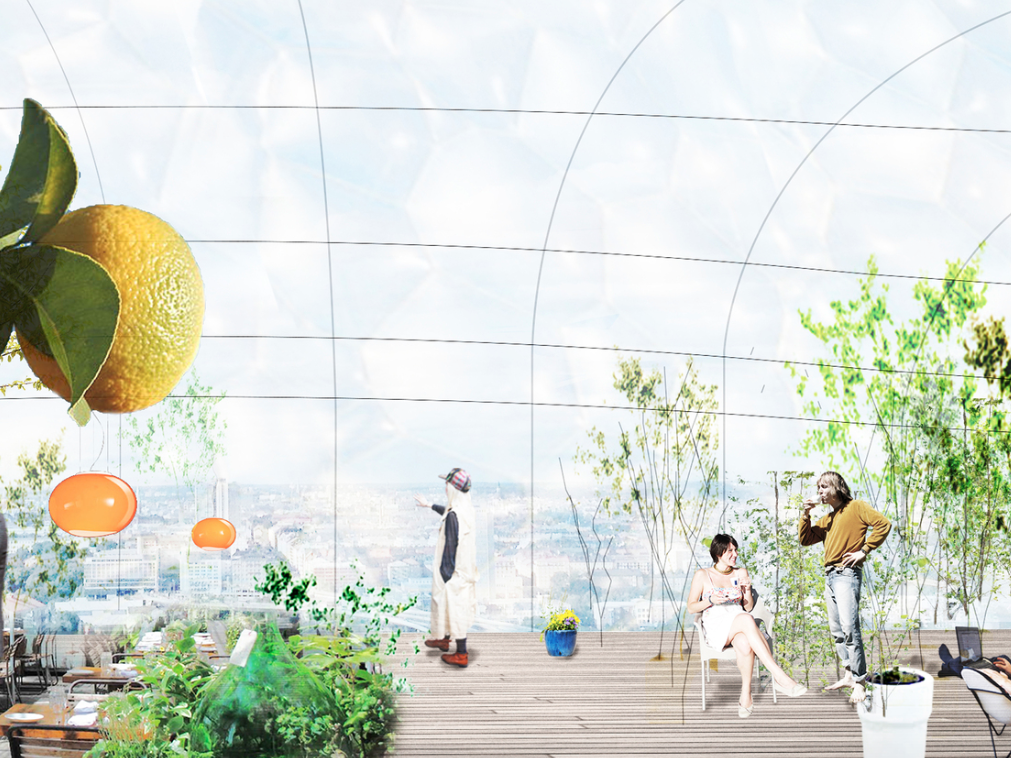
Located in Oberhausen, Germany, the DrivHAUS Building—also known as the Administration Building with Rooftop Greenhouse—is a pioneering architectural project. It brilliantly merges commercial office space with an active urban greenhouse environment on its roof. This unique integration promotes urban agriculture and energy efficiency, demonstrating how modern workplaces can seamlessly incorporate sustainable food production, improve air quality, and foster a healthier, greener working atmosphere for employees.
Nature House (Naturhus): Living encased in a greenhouse
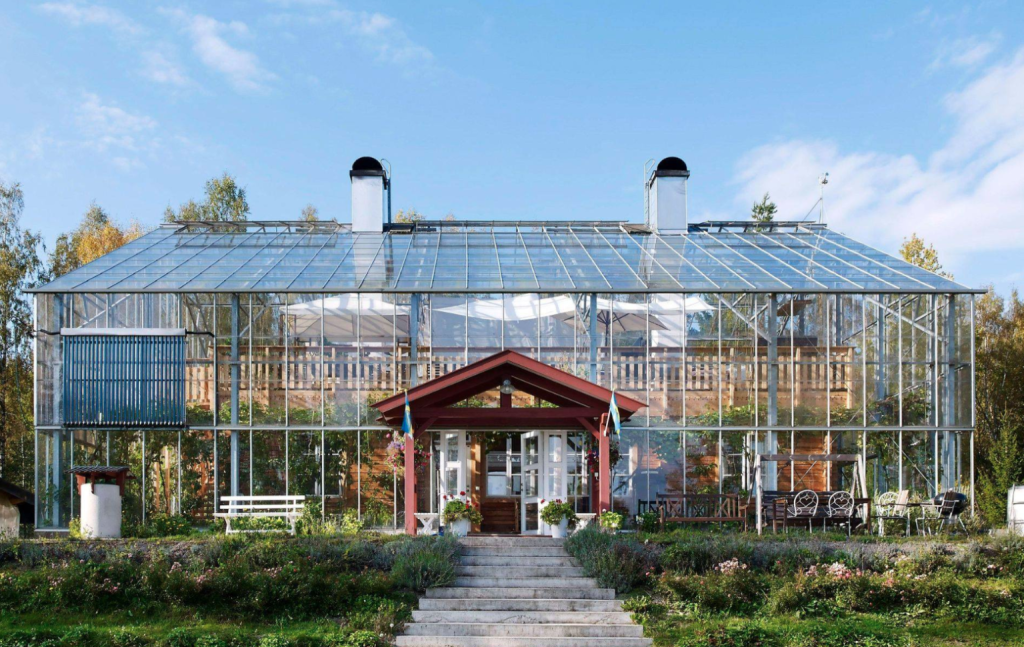
The Naturhus, or Nature House, is a remarkable Swedish architectural concept where a traditional living space is entirely encased within a large, protective greenhouse. This innovative design harnesses passive solar energy, drastically reducing heating costs while creating a temperate Mediterranean-like microclimate year-round. Residents can cultivate fruits and vegetables regardless of the harsh external winter, enjoying a highly sustainable lifestyle seamlessly integrated with vibrant, protected indoor nature.
Vox Vertical Village: Vertical living with hanging gardens
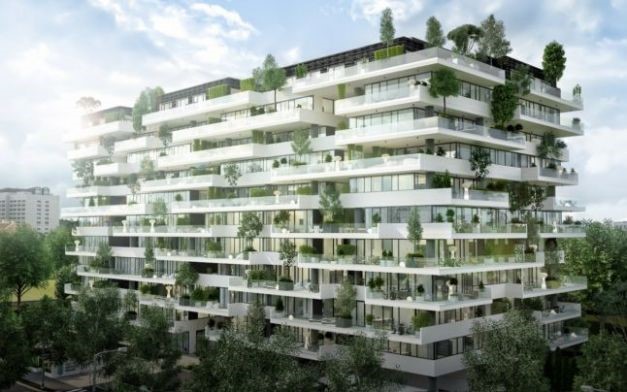
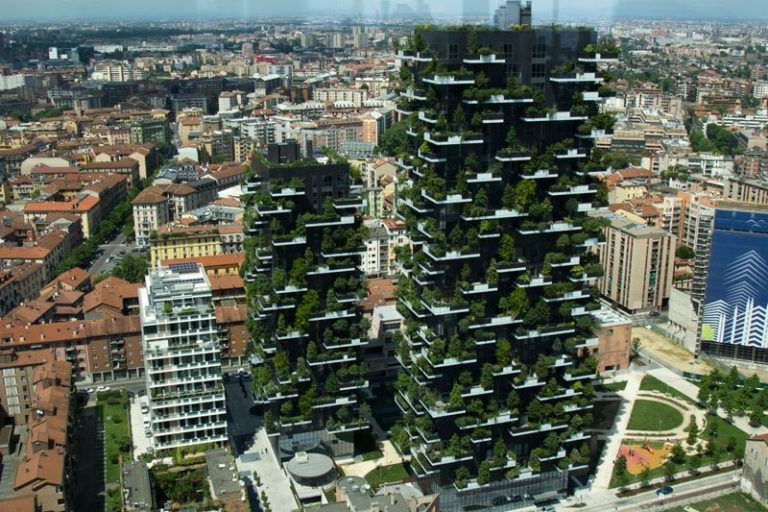
The Vox Vertical Village is an innovative residential complex located in Timisoara, Romania. It is thoughtfully designed to function as a true “vertical village,” offering spacious, house-like apartments that are complemented by lush, expansive hanging gardens. This project redefines urban density by prioritizing access to abundant greenery, natural light, and community spaces, successfully bringing the benefits of suburban nature directly into a modern high-rise living environment.
GREEN.EU Project: Global network for eco-innovation
The GREEN.EU project, formally known as the European Global Transition Network on Eco-Innovation, Green Economy, and Sustainable Development, represents a major collaborative initiative. While depicted alongside architectural marvels, it functions as a comprehensive network dedicated to advancing eco-friendly innovations and sustainable economic practices across Europe. The project fosters vital global partnerships to accelerate the transition toward greener urban development and environmentally responsible technological solutions worldwide.
Urby Residential Complex: Urban farm integrated into collective housing
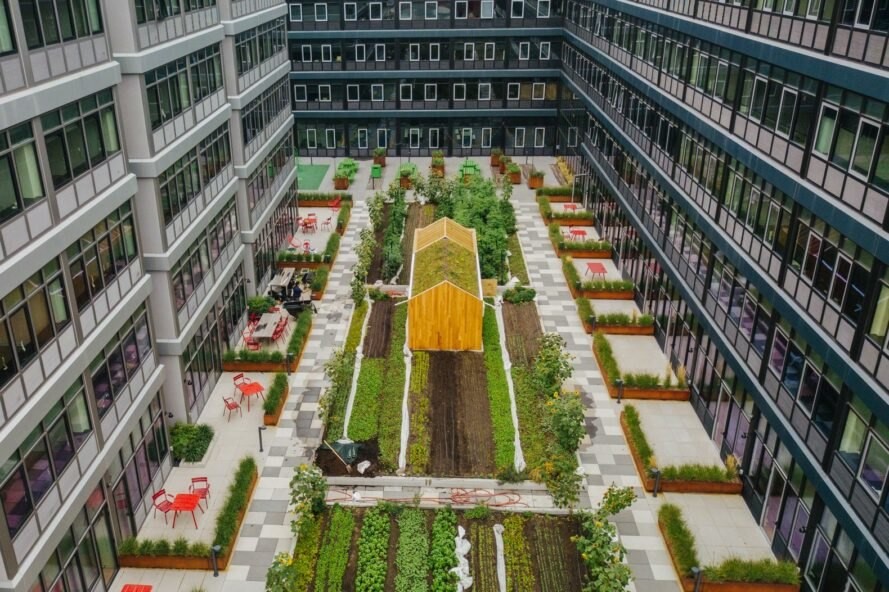
The Urby Residential Complex reimagines modern city living by seamlessly integrating an active urban farm directly into its central courtyard architecture. This innovative residential model encourages community engagement and sustainable practices among its inhabitants by providing immediate access to locally grown produce. The design transforms typical communal spaces into productive agricultural landscapes, fostering a unique connection to nature and food sources right in the heart of the city.
Oasia Hotel Downtown: Vertical ecosystem
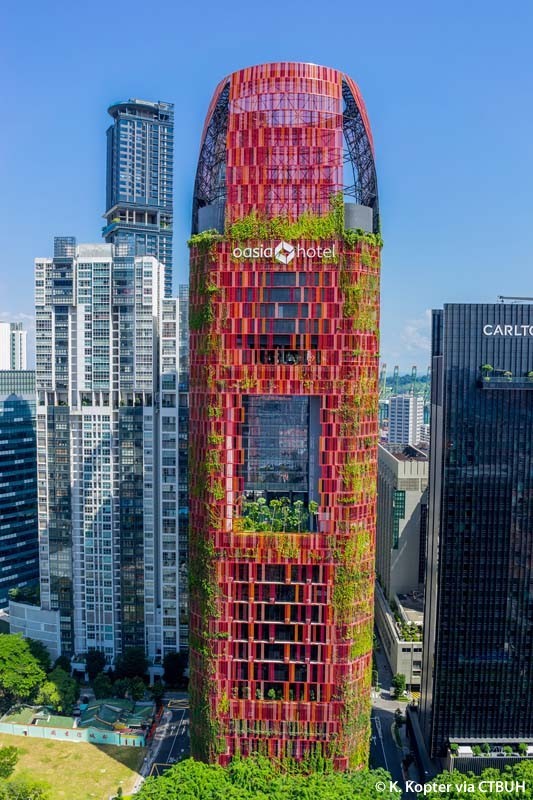
Designed by WOHA architects, the Oasia Hotel Downtown is a pioneering “living tower” located in the heart of Singapore’s Central Business District. Standing in stark contrast to typical sleek skyscrapers, its striking red aluminum mesh facade serves as a trellis for a massive vertical ecosystem. This biophilic masterpiece significantly reduces urban heat, enhances local biodiversity, and provides a lush, tropical oasis amidst a dense urban landscape.
Baubotanik Tower: Botanical Engineering
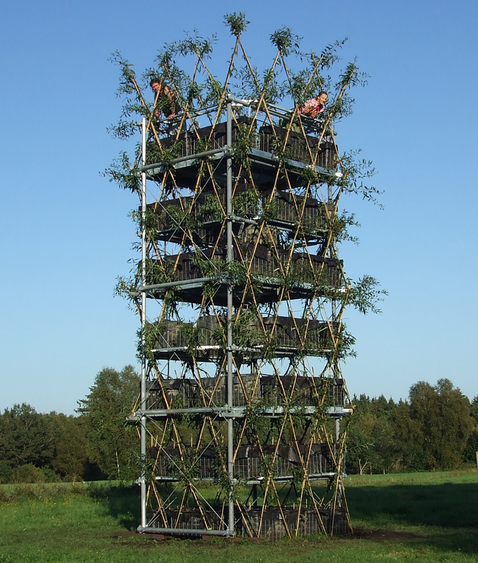
The Baubotanik Tower is a groundbreaking experimental structure that exemplifies “Baubotanik,” an innovative architectural method blending botanical engineering with traditional construction. By fusing living trees with engineered structural elements, this project demonstrates how architecture can physically grow over time. It offers a radical vision for sustainable design, where buildings actively integrate with nature and evolve as living, breathing organisms within their environment.